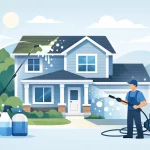


A black-streaked roof can make the whole property look older than it is. A real roof cleaning before and after example shows just how dramatic the change can be – not because the shingles are new, but because the contamination is gone and the roof is finally visible again.
For homeowners and property managers, that difference matters. Roof stains are not just cosmetic. The dark streaks you see across asphalt shingles are usually caused by algae, and moss or lichen may be holding moisture against the surface. Left alone, that buildup can shorten the life of the roof, make the property look neglected, and create the false impression that replacement is the only fix. In many cases, professional soft washing restores the look of the roof without the damage risk that comes with high-pressure cleaning.
What a roof cleaning before and after example really shows
The easiest way to think about a before-and-after roof cleaning is this: the before picture shows contamination, and the after picture shows the actual roofing material underneath. That sounds simple, but it is exactly why the transformation gets attention.
Before cleaning, a roof often has long black streaks running down the slopes, green patches along shaded sections, and uneven discoloration around valleys, flashing, and north-facing areas. On Long Island properties, moisture, tree cover, and seasonal weather swings can speed up that buildup. A roof that looked fine a few years ago can suddenly appear tired and dirty even if the shingles are still structurally sound.
After cleaning, those dark streaks are removed, the original color returns, and the roofline looks sharper from the street. The home looks cleaner as a whole because the roof is one of the largest visible surfaces on the property. Curb appeal improves fast, and that has value whether you plan to stay, refinance, rent, or sell.
Why roofs get stained in the first place
A lot of property owners assume roof stains are just dirt. Usually, they are not. The most common cause is a type of algae that feeds on the limestone filler found in many shingles. Once it takes hold, it spreads and creates those familiar dark lines.
Moss is a different issue. It tends to grow in damp, shaded sections and can retain moisture against the roof. Lichen is even more stubborn because it bonds tightly to the surface. Mold and mildew may also show up in areas that stay wet longer than they should.
This is where trade-offs matter. If you only blast away what is visible, you may improve the look for a short time, but you may not solve the source of the staining. A proper roof cleaning needs to treat the biological growth itself, not just rinse the roof surface.
The right way to clean a roof without damaging it
When people see a dramatic roof cleaning before and after example, they often assume the result came from aggressive pressure washing. On roofing, that is usually the wrong approach.
Asphalt shingles are designed to shed water, not to be hit with high-pressure force. Strong pressure can strip away protective granules, loosen shingles, force water under the roof system, and reduce the roof’s lifespan. That is why professional roof cleaning is typically done with a soft washing process.
Soft washing uses low pressure and specialized cleaning solutions to break down algae, mold, mildew, moss, and lichen at the source. Instead of relying on force, it relies on the right treatment. That means the roof gets cleaned more safely and the results tend to last longer because the growth has been addressed, not just disturbed.
For property owners, the takeaway is straightforward. A good result is not about how hard the roof gets blasted. It is about how effectively the staining is treated while protecting the roofing material.
What to expect before, during, and after service
Before cleaning, a professional contractor should evaluate the roof’s condition, the type of staining present, and any surrounding landscaping or sensitive areas. Not every roof is the same. Age, material, slope, access, and the amount of organic buildup all affect the cleaning plan.
During the service, surrounding plants should be protected and the roof should be treated with a low-pressure method designed for that surface. On heavily stained roofs, the change can be immediate in some sections and gradual in others as the treatment continues to work. Moss and lichen may require more careful attention than standard algae streaking.
After service, the roof should look noticeably brighter and more uniform. Some stubborn remnants may continue to weather away naturally after treatment, depending on the type and severity of the growth. That does not mean the cleaning failed. It means the contamination was killed and the roof is returning to a clean state over time.
This is one reason professional expectations matter. Honest contractors do not promise that every roof will look identical to a brand-new installation. They explain what is realistic, what is removable, and what signs of age may remain even after a successful cleaning.
Why before-and-after results matter for property value
A clean roof changes how people judge the whole building. That is true for single-family homes, apartment buildings, storefronts, and office properties. Streaked shingles suggest deferred maintenance even when the rest of the exterior is in good shape.
A clean roof tells a different story. It shows that the property is being cared for. For homeowners, that means better curb appeal and fewer questions from neighbors, buyers, or appraisers. For commercial properties, it supports a more professional appearance for customers, tenants, and visitors.
There is also a financial angle. Roof replacement is expensive. If the roof is still serviceable, cleaning it at the right time can help you get more life and better appearance out of what you already have. That makes roof cleaning one of the more practical exterior maintenance services because it delivers visible results without the cost of replacement.
Not every roof should be treated the same way
This is where experience counts. A lightly stained asphalt shingle roof is one thing. A roof with thick moss growth, advanced age, or existing damage is another. The cleaning method, dwell time, and overall approach should match the roof’s condition.
There is also the issue of timing. In humid areas and neighborhoods with heavy shade, algae and moss can return faster than they would on sunnier, drier properties. That does not mean cleaning is not worth it. It means maintenance plans should be realistic. A clean roof may stay looking great for years, but local conditions always play a role.
That is why property owners across Nassau County and Suffolk County benefit from working with a contractor who understands the regional conditions. Long Island roofs deal with moisture, pollen, salt air in some areas, and plenty of shade-related growth. Cleaning methods need to reflect that reality.
How to judge a roof cleaning company by the results
Before-and-after photos are useful, but they are not the only thing to look at. Ask how the roof was cleaned. If the answer centers on high pressure, that is a red flag for most roofing materials.
You also want to know whether the company treats the root cause of staining, whether it protects landscaping, and whether it stands behind the work. Guarantees and warranties matter because they show confidence in the process. If a company offers roof cleaning but treats it like a basic pressure washing add-on, that is not the same as a specialist approach.
At Supreme Clean Power Washing, roof cleaning is built around soft washing because results should never come at the expense of the roof itself. That is the standard property owners should expect – visible improvement, safer methods, and clear accountability.
When a roof cleaning example should push you to act
If your roof has black streaks, green growth, or patchy discoloration, waiting usually does not improve anything. The staining spreads, the property looks worse, and the cleanup may become more involved over time. The earlier you address it, the easier it is to restore the roof’s appearance and protect the surface.
A strong before-and-after example is not just satisfying to look at. It is proof that many roofs that appear worn out are actually just dirty. That is good news for any property owner trying to improve curb appeal without taking on a major renovation.
If your roof is making the whole property look older, the smartest move is to have it evaluated before you assume replacement is the next step. Sometimes the biggest upgrade is simply seeing the roof you already paid for look clean again.