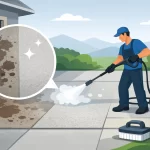


A stained storefront, streaked office exterior, or mildew-covered siding sends a message before anyone walks through the door. For owners and property managers, that message matters. A professional commercial building washing service does more than freshen up a property – it helps protect exterior materials, improve curb appeal, and keep your building looking cared for year-round.
On Long Island, commercial exteriors take a beating. Salt air, humidity, pollen, traffic film, algae, mold, and general weather buildup can turn a clean-looking property into one that feels neglected fast. The bigger problem is that many surfaces are damaged not by age alone, but by buildup that sits too long or by cleaning methods that are too aggressive for the material.
What a commercial building washing service should actually do
A quality cleaning service should not be blasting every surface with high pressure and hoping for the best. Different building materials need different treatment. Painted siding, stucco, vinyl, brick, concrete, trim, signage areas, entryways, and gutters all respond differently to moisture, detergents, and pressure levels.
That is why the right approach usually starts with identifying what is on the surface and what the surface is made of. Dirt and dust can often be rinsed away easily. Algae, mold, mildew, and other organic growth are different. If they are not treated at the source, they tend to come back quickly. A proper wash targets those stains where they begin instead of just stripping off the visible layer.
For many commercial properties, soft washing is the smarter method. It uses low pressure and professional cleaning solutions to break down organic growth safely. This matters because high pressure in the wrong hands can scar siding, force water behind panels, etch softer materials, and leave a building clean in some spots but damaged in others.
Why soft washing matters for commercial buildings
A lot of property owners still assume stronger pressure means a better clean. In reality, it depends on the surface. Concrete walkways and some hardscapes may handle higher pressure well. Building exteriors often should not.
Soft washing is especially useful for surfaces with painted finishes, siding systems, trim, soffits, and areas where mold or algae keep returning. Instead of relying on force, it relies on the right cleaning process. That protects the exterior while delivering a more complete result.
For commercial properties, that difference affects more than appearance. Damage from improper washing can lead to repainting, repairs, water intrusion, and tenant complaints. Spending less on an aggressive but careless cleaning can cost more later. A safer method usually makes more sense when you are protecting a larger asset.
The problems building owners are really trying to solve
Most people are not calling for exterior washing because they like maintenance projects. They are dealing with visible issues that affect business image, property value, and upkeep costs.
Black streaks, green staining, mildew, and oxidation make a building look older than it is. Entryways collect grime that drags down first impressions. Dumpster pad areas, loading zones, and heavily trafficked walls can start to look unsanitary. Even if the structure itself is sound, the exterior can suggest poor maintenance if it is covered in buildup.
There is also the long-term side of the problem. Organic growth can hold moisture against surfaces. That can shorten the life of exterior finishes and contribute to deterioration over time. Washing does not replace repairs or painting, but it can help extend the life of materials by removing the buildup that speeds up wear.
What gets cleaned during commercial exterior washing
Every property is different, but commercial building cleaning often includes the main exterior walls, trim, entry areas, sidewalks near the building, and other visible surface areas that affect the overall look of the property.
In many cases, service can also address stained concrete around entrances, algae on shaded walls, dirt buildup under overhangs, and discoloration on siding or masonry. The right scope depends on the building type. A retail storefront has different needs than an office building, medical facility, apartment complex, warehouse, or HOA common area.
That is why one-size-fits-all pricing and one-size-fits-all methods rarely work well. A professional should evaluate the material, condition, access, and type of staining before recommending the right cleaning plan.
When pressure washing is the right fit
Pressure washing still has an important place in commercial maintenance. Flatwork, concrete pads, some masonry, curbs, and other durable surfaces often benefit from stronger cleaning power. The key is knowing where to use it and where not to.
That balance matters. The best results often come from combining soft washing for delicate exterior surfaces with pressure washing where heavier surface cleaning is appropriate. A contractor who understands both methods can clean the property properly instead of forcing the same process onto every area.
How often should a building be washed?
There is no single schedule that fits every commercial property. It depends on location, shade, moisture exposure, surrounding trees, traffic, and the image standards of the business or property owner.
A building near busy roads may collect more traffic film and soot. A shaded property may deal with algae and mildew more often. Retail locations and customer-facing buildings usually need a more frequent cleaning schedule than low-visibility industrial structures.
For many properties, annual washing is a strong baseline. Others benefit from twice-yearly service, especially when appearance is a top priority or when conditions encourage rapid buildup. The right plan is the one that keeps the property ahead of staining instead of waiting until the exterior looks neglected.
Why commercial property managers should care about the method
If you manage a property with tenants, customers, employees, or regular visitors, exterior cleaning is not just cosmetic. It is part of property presentation and part of asset protection. Poor cleaning methods can create problems you then have to explain, fix, and pay for.
A dependable contractor should be able to explain how the building will be cleaned, what solutions are used, what surfaces require a lower-pressure approach, and what kind of results are realistic. Not every stain disappears instantly, especially if oxidation or permanent discoloration is involved. Honest expectations matter.
The good news is that most staining caused by algae, mold, mildew, dirt, and environmental buildup responds very well to professional treatment. The difference is noticeable quickly, and on customer-facing properties, that visual improvement can change the whole impression of the site.
Choosing the right commercial building washing service
The lowest quote is not always the best value. Commercial washing should be handled by a company that understands exterior materials, uses the proper cleaning method for each surface, and takes surface protection seriously.
Look for a contractor that offers clear communication, competitive pricing, and a straightforward process from estimate to completion. Guarantees also matter. When a company stands behind its work, that says something about how confident it is in the result.
For property owners in Nassau County and Suffolk County, local experience has real value. Exterior conditions on Long Island are specific. Salt exposure, humidity, seasonal buildup, and organic growth patterns are part of the job here. A company that works in these conditions regularly is better prepared to clean effectively without overdoing it.
Supreme Clean Power Washing focuses on exactly that approach – using proven soft washing and pressure washing methods where they make sense, with an emphasis on protecting surfaces while delivering a visible result.
What good exterior cleaning changes
A clean building photographs better, shows better, leases better, and simply feels better maintained. Customers notice it. Tenants notice it. Owners notice it every time they pull into the lot.
More importantly, routine washing helps prevent the cycle where staining builds up, surfaces deteriorate, and small exterior issues turn into larger repair costs. It is easier to maintain a building consistently than to restore one that has been ignored for too long.
If your exterior has visible algae, mildew, dark streaks, or general weather staining, waiting usually does not improve the situation. The right commercial building washing service can restore the appearance of the property while helping protect the materials underneath. A cleaner building is not just easier on the eyes – it is easier on the budget over time.